August 3, 2026
Teaching Kids History Through Ancient Games
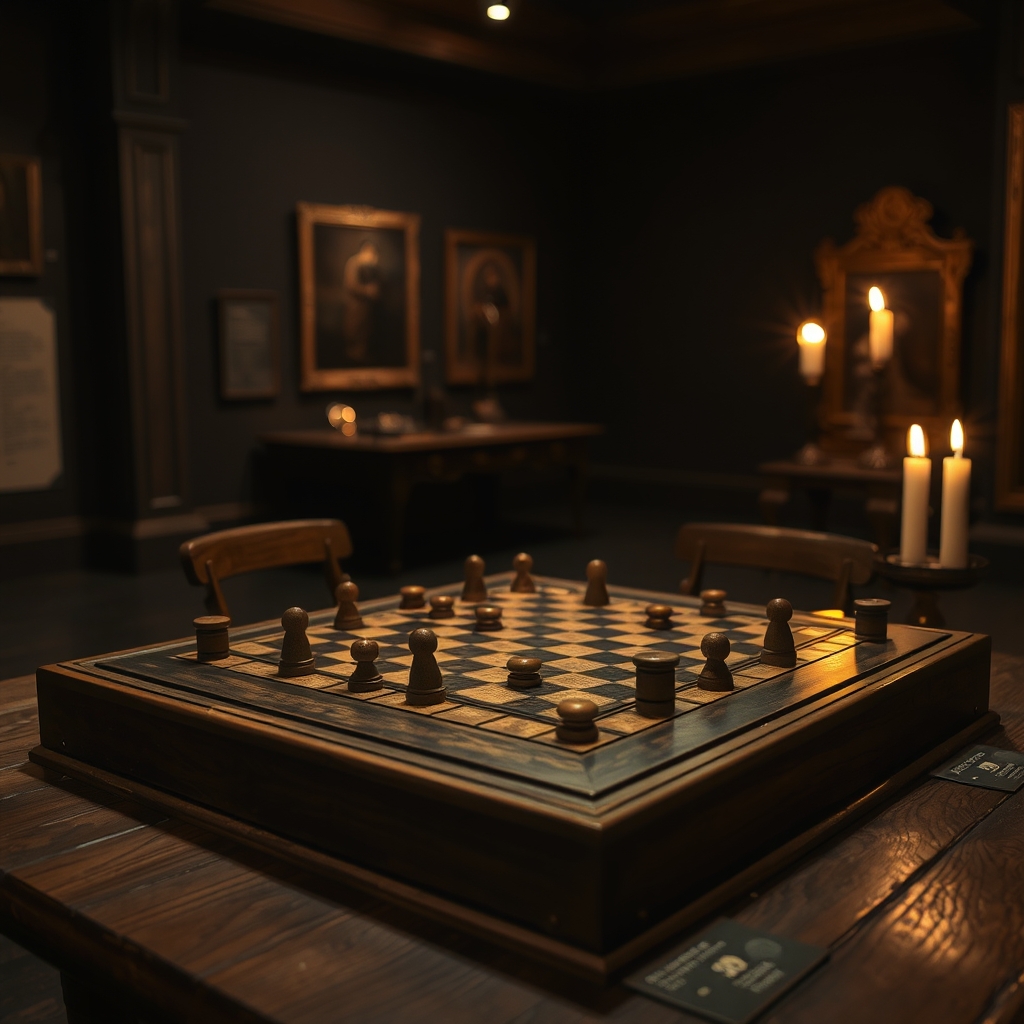
Ask a child to remember a date and it evaporates by the weekend. Hand the same child a board the Egyptians played on, explain that it was a map of the journey to the afterlife, and let them race their pieces across it, and something else happens entirely. The history stops being a fact to memorize and becomes an experience to inhabit. Ancient games are among the most effective teaching tools we have, precisely because they were never meant to be lessons.
Why play beats memorization
A game gives a child a reason to care. When a seven-year-old is trying to escort a king to safety in Hnefatafl, she is also absorbing, without being told, that this was a Viking game, that it was asymmetrical because the world the Norse imagined was asymmetrical, that a single besieged king and his guard could hold off twice their number. The strategy is the hook. The history rides along behind it.
This is what educators call experiential learning, and it works because it engages more than the eyes. The weight of a piece, the feel of a stone board, and the frustration of a clever opponent create the kind of vivid, embodied memory that a textbook paragraph never can. A child who has actually played Senet will never forget that the ancient Egyptians played games, because she did it too.
Games to start with
A few ancient games are especially welcoming for young players. Senet teaches a simple race-and-luck structure and opens a natural door to talking about ancient Egypt, mummies, and the afterlife, subjects children already find fascinating. Mancala, with roots reaching back thousands of years in Africa and the Near East, rewards counting and planning and can be grasped in a single sitting.
For older children ready for genuine strategy, Hnefatafl is ideal. Its asymmetry sparks real discussion: is it fair? Which side is harder? Why might the Vikings have built a game around a king under siege? Our how to play Hnefatafl guide breaks the rules down clearly enough for a family to learn together in an afternoon.
Turning a game into a lesson
The trick for parents and teachers is to let the curiosity lead. Before you play, share one vivid fact, that Tutankhamun was buried with four Senet boards, or that Roman soldiers scratched game boards into the floors of forts along Hadrian’s Wall. After the game, ask questions instead of giving answers: Who do you think played this? Where? Why would a soldier want a game at a frontier fort?
These conversations do quiet, lasting work. A child connects play to the real human beings who once played, and history becomes populated with people rather than dates. That is the difference between learning about the past and meeting it.
If you would like to bring this kind of hands-on history into your home or classroom, explore our museum-quality reproductions in the full collection and find a game your children will remember long after the lesson ends.